Does Insurance Cover Biohazard Cleanup?
Updated: Aug 9
In most cases, yes, homeowners insurance in Texas does cover biohazard cleanup, but the coverage depends entirely on your specific policy, the cause of the event, and how quickly you file your claim. Policies that include additional living expenses or special coverage riders are most likely to cover the full cost of professional remediation. Understanding exactly what your policy says before you call a cleanup company can save you thousands of dollars and a significant amount of frustration during an already difficult time.

Understanding Biohazard Cleanup
Biohazard cleanup is not just another cleaning task; it is a specialized field governed by strict standards, such as the IICRC S540. This standard outlines the procedures and safety measures that professionals must follow to ensure thorough decontamination and legal disposal of hazardous materials. Unlike regular cleaning, biohazard cleanup involves dealing with potentially infectious substances, which require trained professionals to handle safely.
In Texas, it is essential to differentiate between types of incidents that lead to biohazard cleanup and how insurance companies classify these events. Generally, coverage hinges on whether the cause of the biohazard falls under a "covered peril" in your homeowners or renters insurance policy.
Insurance Knowledge: Homeowners vs. Renters
When it comes to insurance coverage for biohazard cleanup, the specific terms of your policy will play a critical role. Most standard homeowners and renters insurance policies include coverage for sudden and accidental incidents. This means that if a biohazard results from a covered event, such as a burst pipe or an unexpected death, the cleanup may be covered.
However, it is important to be aware of common exclusions. For instance, pollution exclusions can be a gray area. Some insurance carriers may classify biohazards as "pollution," which could lead to denial of coverage. Additionally, if the biohazard results from gradual damage, like mold growth from a long-term leak, claims may also be denied. Criminal acts can further complicate matters; if the homeowner was involved in the crime that created the biohazard, coverage is void.
Case Studies: Coverage vs. Denial
To illustrate these points, consider two case studies. In one instance, an unattended death occurred in a home with hardwood floors. The biological fluids from the incident caused significant structural damage to the subfloor. Since this was classified as a sudden and accidental loss, the insurance carrier covered both the removal of the flooring and the professional decontamination.

In contrast, another case involved a hoarding situation where biohazards were discovered after an inspection. The insurance company denied this claim, citing neglect and lack of maintenance. Because the IICRC S540 defines these situations as long-term environmental issues rather than sudden incidents, the claim was not covered.
Does Insurance cover Biohazard Cleanup: What's Typically Included?
In Texas, the type of coverage you can expect for biohazard cleanup generally depends on whether the cause of the loss is classified as a covered peril. Most standard HO-3 (Special Form) policies usually cover:
Unattended deaths: These incidents are often regarded as sudden physical losses that can cause structural damage, making them eligible for coverage.
Crime scenes and vandalism: Homicides, suicides, and break-ins involving bodily fluids are typically covered. Insurance adjusters recognize the importance of restoring the environment to a sanitary state, which can mitigate future liability.
Accidental trauma: Events like significant medical emergencies or accidents that result in biohazard spread are generally covered under "accidental discharge" clauses.
The Process: Determining Your Coverage
Navigating the claims process can be overwhelming, but following a systematic approach can help. The Texas Department of Insurance provides guidelines that homeowners should follow:
Immediate Notification: As soon as the scene is released by law enforcement, contact your insurance carrier to report the incident. In Texas, insurers are required to acknowledge your claim within 15 days.
Review the "Perils" Section: Carefully read through your insurance policy, paying special attention to the "perils" section. Look for language that indicates coverage for "sudden and accidental" incidents. Be cautious of any "pollution exclusion" wording, as biological matter from a person is typically not classified as industrial pollution.
Documentation is Key: Proper documentation is crucial in substantiating your claim. The IICRC S540 emphasizes that documentation should begin at the initial inspection and continue through to the post-remediation evaluation. You will need police report numbers (if applicable), before-and-after photos provided by your remediation team, and an itemized estimate that separates biohazard removal from structural repairs.
Recommendations and Negotiation Tips
When filing a biohazard cleanup insurance claim in Texas, being strategic with adjusters makes a significant difference. One effective approach is to use industry-standard language during your discussions. Mention that you are hiring an IICRC S540 certified firm to ensure compliance with ANSI safety standards. This not only demonstrates your commitment to proper protocols but also makes it harder for adjusters to suggest cost-cutting alternatives.
Additionally, separating the costs of biohazard removal from structural repairs can lead to a higher likelihood of claim approval. Insurers are more inclined to approve claims when they can clearly see the distinction between hazardous waste removal and structural restoration.

If your claim is denied, remember the Texas Prompt Payment of Claims Act. This law requires insurers to pay accepted claims within five business days of agreement, offering homeowners leverage when dealing with slow-moving adjusters.
State Regulations: The Texas "Safety Net"
Texas has specific resources and regulations that impact how biohazard cleanup is managed. One valuable resource is the Crime Victims' Compensation (CVC) Program, which can reimburse up to $2,250 for crime scene cleanup if insurance is unavailable or exhausted. However, it is important to note that this program does not cover structural repairs or property replacement.
In addition, the Texas Commission on Environmental Quality (TCEQ) strictly regulates the transport and disposal of biohazardous waste. Professionals must comply with state laws to avoid significant penalties. Attempting to dispose of biohazardous materials in a standard Texas dumpster is illegal and could result in hefty fines.
Common Misconceptions: Debunking the Myths
There are several misconceptions about biohazard cleanup and insurance coverage that need clarification. One common belief is that law enforcement or the fire department handles the cleanup. In reality, their role is to secure the scene; the financial and physical responsibility falls entirely on the property owner.
Another myth is that standard household cleaners, like bleach, are sufficient for biohazard cleanup. This is not true. Not only can bleach fail to kill specific pathogens, but it can also react with bodily fluids, creating toxic gases.
Finally, many people assume that insurance never covers biohazard incidents. In fact, as long as there isn't a specific exclusion for pollution or gradual damage, most standard Texas policies typically cover sudden trauma or unattended deaths.
Importance of Professional Cleanup
The need for professional biohazard cleanup cannot be overstated. Bloodborne pathogens, such as Hepatitis B, can survive on dry surfaces for weeks. Standard household cleaners are not equipped to handle these specific threats. Moreover, if you attempt a DIY cleanup and later sell or rent out the property, you could be held liable if a future occupant becomes ill.
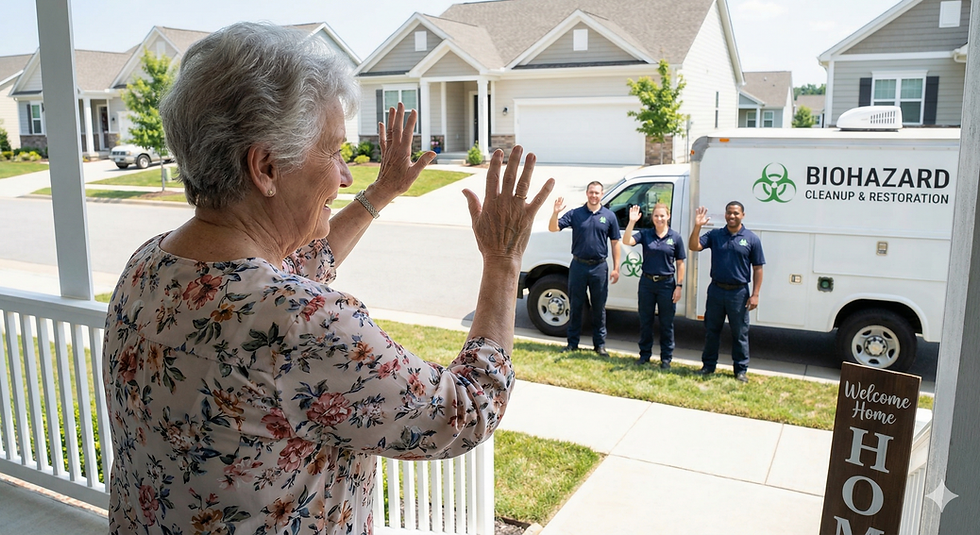
Hiring a certified professional not only reduces health risks but also protects your insurance claim. Many insurance carriers may deny claims if they find out that the cleanup was not conducted by a licensed professional. A Certificate of Completion from an IICRC-certified firm serves as a legal shield, validating that the property has been restored to a safe condition.
Conclusion
Understanding whether insurance covers biohazard cleanup in Texas is crucial for homeowners and renters alike. The coverage often depends on the cause of the incident, the specific terms of your policy, and adherence to professional standards. By following the outlined steps and being aware of common misconceptions, you can navigate the claims process more effectively.
If you find yourself in a situation requiring professional biohazard cleanup in North Texas, consult with a certified firm and review your insurance policy carefully. Being informed is your best defense against unexpected hurdles during what is already a challenging time.
Download your Ebook to help protect your home. Pick your county: Denton County, Tarrant County, Wise County, Cooke County, Grayson County

Comments