AC Condensation Leak Causing Mold in Your Home
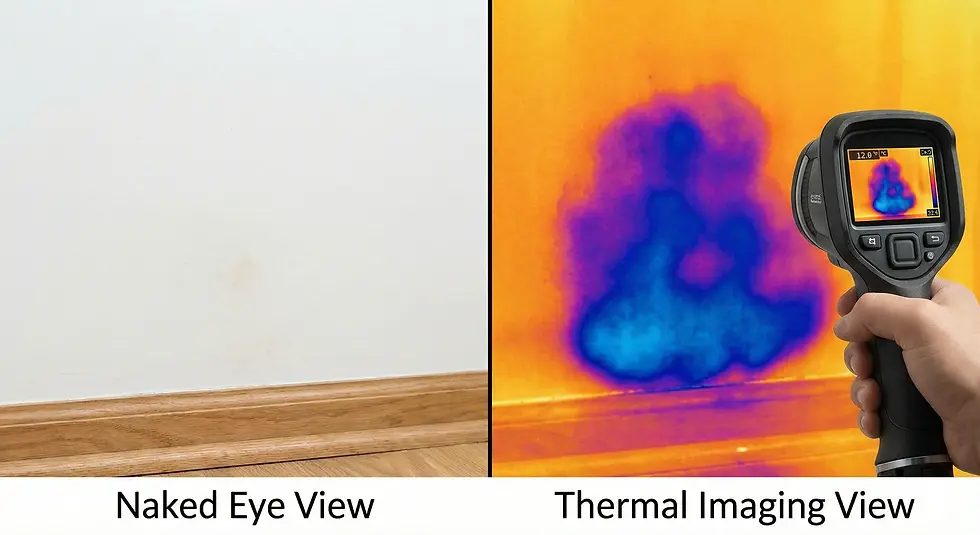
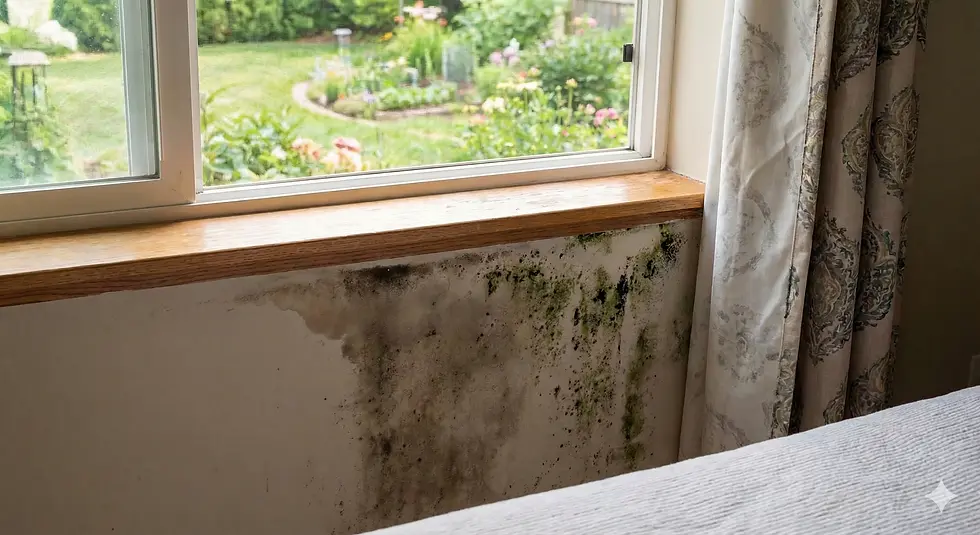
An AC condensation leak causing mold is one of the most common water damage problems North Texas homeowners never see coming. The air conditioner runs for months at a time in North Texas, pulling moisture from the air and draining it through a small plastic line tucked behind drywall, in an attic, or inside a closet. When that line clogs or cracks, the water does not always show up as an obvious puddle. It seeps into insulation, subfloor, and drywall where mold can start growing within 24 to 48 hours, long before anyone notices a stain on the ceiling.

Homeowners in Fort Worth and across North Texas run their systems nearly nonstop from May through September, some years longer. That run time gives a condensate line countless chances to clog with algae and debris before anyone checks it. Many closets and attics are sealed tight for energy efficiency, leaving little airflow to dry out a slow leak. By the time a homeowner notices a musty smell or a soft ceiling spot, the water has often been draining there for weeks.
This is why an AC leak deserves the same attention as a burst pipe or a roof leak. The water is chronic instead of sudden, but the mold risk is often worse because the source stays hidden. Knowing how these leaks start and when to call for help protects your indoor air quality and your home's structure.
Why North Texas is different
North Texas homes almost never have basements, so HVAC equipment usually sits in the attic or a small interior closet instead of a mechanical room below grade. That placement makes an AC leak a source of hidden water damage almost by design, since few homeowners climb into the attic to check equipment that seems fine. North Texas attics can reach well above 120 degrees on a summer afternoon, speeding up the algae and bacteria growth that clogs a condensate line in the first place.
The cooling season itself runs longer here than in most of the country. Air conditioners across North Texas often run from March through October, and close to year round after a warm winter. Every month adds condensation volume through a line never meant to run maintenance-free.
That combination of extended run time and a hidden attic location keeps AC-related mold showing up on restoration calls year round. A homeowner in Tarrant County is as likely to find it in November as in July.
What are the signs of an AC condensation leak?
The most common signs are subtle at first, since a condensation leak drips slowly instead of releasing water all at once. A soft or slightly bouncy spot on the ceiling below an attic-mounted unit is often the first physical clue, along with a musty smell that shows up in one room and does not fade with regular cleaning. Homeowners sometimes notice their air conditioner is not cooling as well as it used to, which can point to a clogged drain pan causing the unit to shut down intermittently.
Watch for these signs:
A musty or mildew smell concentrated near a vent, closet, or the room below the attic unit
Soft, discolored, or sagging drywall on a ceiling or wall near HVAC equipment
Water stains that reappear even after being painted over
A sudden, unexplained rise in humidity in one part of the home
The air conditioner cycling off unexpectedly during the hottest part of the day
These signs overlap with the broader list in how do I know if my house has mold, since an AC leak is only one possible source.

Where the water usually shows up first
In most North Texas homes, the earliest sign appears directly below the attic unit or condensate line, often on a hallway or closet ceiling rather than in the room where the thermostat is. Interior closets holding a furnace and coil unit tend to show water at the base of the wall or under the flooring nearby before the attic shows any sign. Checking these locations regularly, especially during the hottest months, catches most leaks well before the drywall or subfloor is compromised.
Why a clogged line becomes a mold problem
According to the ANSI/IICRC S520 standard for professional mold remediation, mold spores are present in nearly every home. They only need three conditions to start growing: moisture, an organic food source, and a temperature between 40 and 100 degrees. A clogged condensate line supplies the first two immediately, since trapped water saturates drywall paper, wood framing, and dust, all of which mold feeds on readily. Attic and closet temperatures sit well inside that range, so growth can begin within a day or two of a line clogging. It is the same process that makes water damaged porous materials cause mold long after a leak has dried.
We saw this play out with a homeowner named Karen in Azle, whose upstairs guest bathroom had a persistent musty smell for weeks before they called anyone. The AC coil closet sat on the other side of the bathroom wall, and the condensate line had been draining slowly into the wall cavity instead of outside the home. By the time a technician found the leak, mold had spread across roughly six square feet of drywall and insulation, hidden behind a mirror and a linen closet. Karen's homeowners insurance covered the remediation because the damage was sudden and accidental in origin, even though it had built up for weeks unnoticed.

The U.S. EPA notes mold exposure can affect indoor air quality and trigger allergy or asthma symptoms in sensitive people. That alone is reason enough not to let a leak sit. Reaching for bleach on visible spots is a common instinct, though can bleach really kill mold explains why it usually fails on porous drywall and wood. Left alone, a clogged line rarely resolves itself, since the same blockage that caused water to back up keeps growing each time the system runs.
How to respond to an early AC leak
If you catch a slow leak early, turning the system off at the thermostat stops more water from pushing through a compromised line while you arrange service. From there, most homeowners can safely handle a few basic checks before calling in help.
Locate the condensate line, usually a white PVC pipe near the outdoor unit or indoor coil, and look for a visible clog or disconnection
Flush the line with a cup of distilled vinegar poured into the cleanout access point to break down algae, a maintenance step worth repeating twice a year going forward
Check and empty the secondary drain pan under an attic or closet unit, then dry it completely before the system runs again
Inspect nearby drywall, baseboards, and flooring for soft spots, discoloration, or a musty smell that lingers after airing out the room
According to U.S. EPA guidance, a homeowner can typically clean a small mold-affected area, less than about 10 square feet, using soap and water followed by complete drying, without needing a professional. Anything larger than that, especially mold inside ductwork, wall cavities, or subfloor, calls for a different level of response.
When to call a professional
Call a licensed restoration company once mold covers more than roughly 10 square feet, appears inside ductwork, or keeps returning after the visible surface has been cleaned. Professional remediation follows ANSI/IICRC S520 protocols for containment, air scrubbing, and testing that confirm the mold is actually gone rather than just wiped away. The same applies to water damage reaching subfloor, insulation, or framing, since drying those materials properly usually requires equipment most households lack.

The best way to prevent mold from AC condensation is routine maintenance rather than a one-time fix. Scheduling an annual HVAC inspection, replacing the air filter, and flushing the condensate line each spring addresses the cause instead of the symptom. Homeowners who have had a slow leak once are good candidates for a float switch, a low-cost device that shuts the system down if the drain pan starts to overflow.
Key Takeaways
An AC condensation leak causes hidden water damage because it drips slowly into attics, closets, and wall cavities where homeowners rarely check.
Mold can begin growing within a day or two of a clogged condensate line, based on the moisture, food source, and temperature conditions described in ANSI/IICRC S520.
Common warning signs include musty odors, soft or discolored drywall, recurring water stains, and an air conditioner that cycles off unexpectedly.
Flushing the condensate line with vinegar twice a year and scheduling annual HVAC maintenance are the most effective ways to prevent mold from AC condensation.
Mold covering more than about 10 square feet, or found inside ductwork, subfloor, or framing, should be handled by a licensed restoration professional rather than cleaned by a homeowner.
Frequently Asked Questions
Can an AC unit cause mold in the house?
Yes. A clogged or cracked condensate line lets water collect inside walls, closets, and attics where an air conditioner sits, and that trapped moisture is one of the most common hidden sources of mold in North Texas homes. The mold grows on the surrounding building materials rather than the unit itself, which is why it can spread into drywall or flooring before anyone notices it.
How do I know if my AC drain line is clogged?
Warning signs include water pooling near the indoor unit, a musty smell that returns after cleaning, the system shutting off during the hottest part of the day, or reduced cooling performance overall. Homeowners can often confirm a clog by checking the line's outdoor termination point for standing water or slow drainage after the system has been running.
Does homeowners insurance cover AC leak damage?
Many policies cover AC-related water damage when it is classified as sudden and accidental, similar to other covered water losses. Insurers typically look more closely at how long the leak went undetected, since damage caused by long-term neglect or lack of maintenance is more likely to be denied or only partially covered.
Sources and References
ANSI/IICRC S520 Standard for Professional Mold Remediation (2024)
U.S. Environmental Protection Agency — Mold Guidance and Indoor Air Quality
Download your free homeowner preparedness guide for your county: